Table of Contents (click to expand)
Robots have been in use for centuries, with the first instances dating back to 350 BC. The word robot was first used in the early 1900s, and since then, robots have come a long way. Early robots were simple machines designed to perform repetitive tasks, but modern robots are much more advanced. They are designed to be more human-like, with some even having emotions and self-awareness. In recent years, robots have become more and more commonplace, and they are only going to become more so in the future.
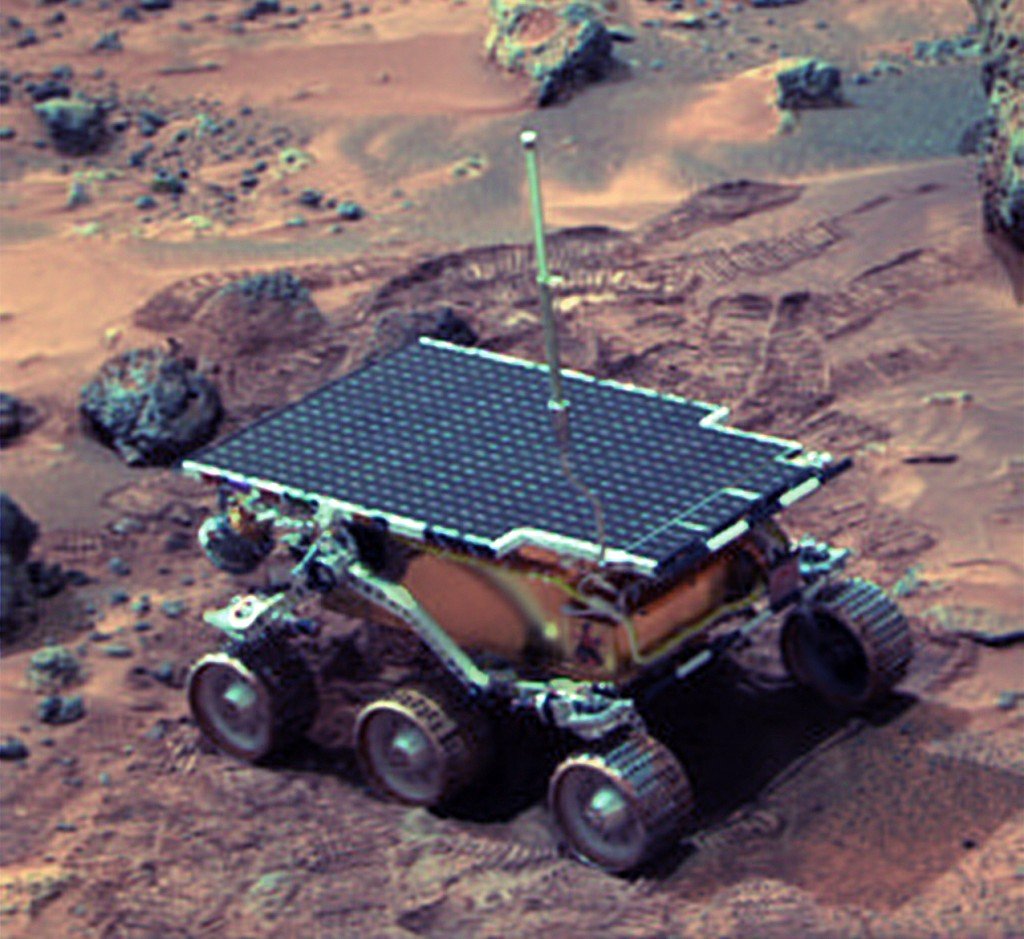
The word ‘robot’ conjures up an array of images for most people, from R2D2 and C3PO of Star Wars fame, to the hyper-masculine Arnold Schwarzenegger in the Terminator series or the Rover Sojourner, which explored the Martian landscape as part of the Mars Pathfinder mission.
The year 1936 brought a major revolution in mathematics. This was the year when Alan Turing famously invented the concept of a theoretical computer called the Turing Machine.
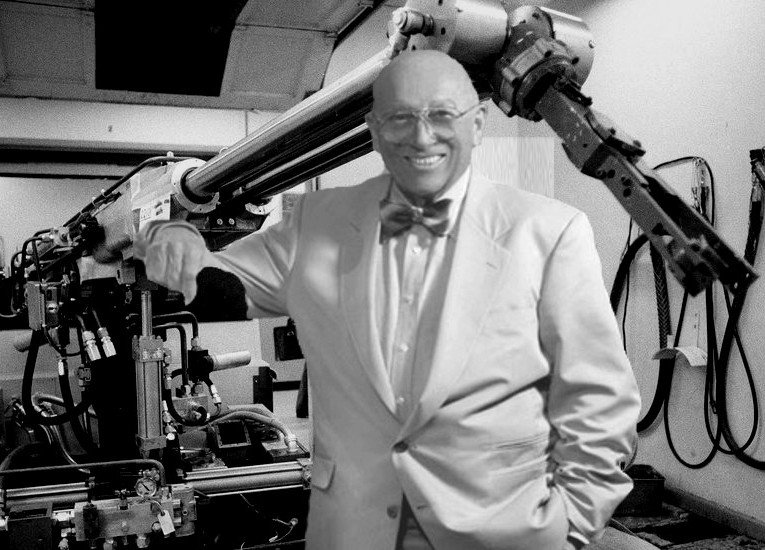
With the arrival of programmable computers in the 1940s, the first real robots began to take shape. The earliest robots as we know them today were created by George Devol in the 1950s. He invented and patented a reprogrammable manipulator (basically a robot) called Unimate. Unfortunately, he couldn’t sell it! In the 1960s, Joseph Engleberger bought the Unimate patent and modified it into an industrial robot, selling it under the label ‘Unimation’. It was a programmable robotic arm that was installed seven years later, on the assembly line of New Jersey General Motors. This arm performed dangerous and repetitive tasks on the assembly line. For his efforts and success, Engleberger is known in the industry as “the Father of Robotics”.
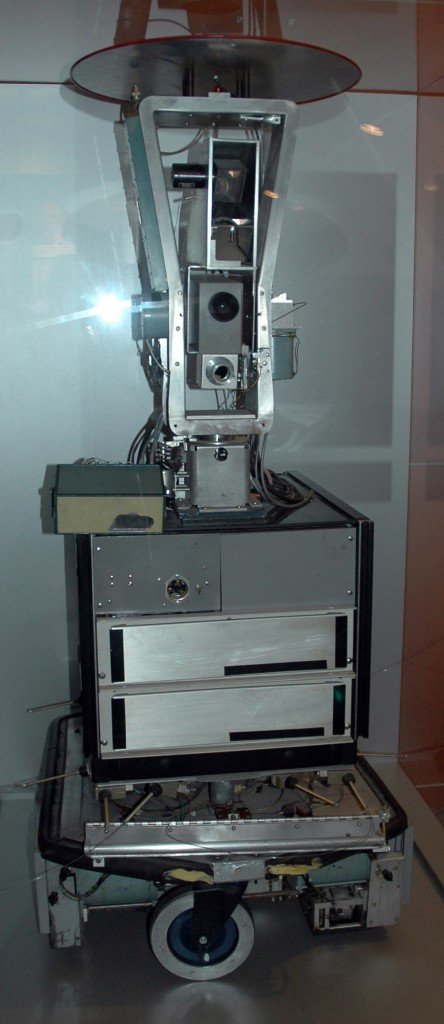
In 1966, the Stanford Research Institute created Shakey, the first general-purpose mobile robot able to reason concerning its own actions. While other robots would have to be instructed on each individual step in order to complete a larger task, Shakey could analyze commands and break them down into basic chunks by itself. These actions involved traveling from one location to another, turning light switches on and off, opening and closing the doors, climbing up and down from rigid objects, and pushing movable objects around.
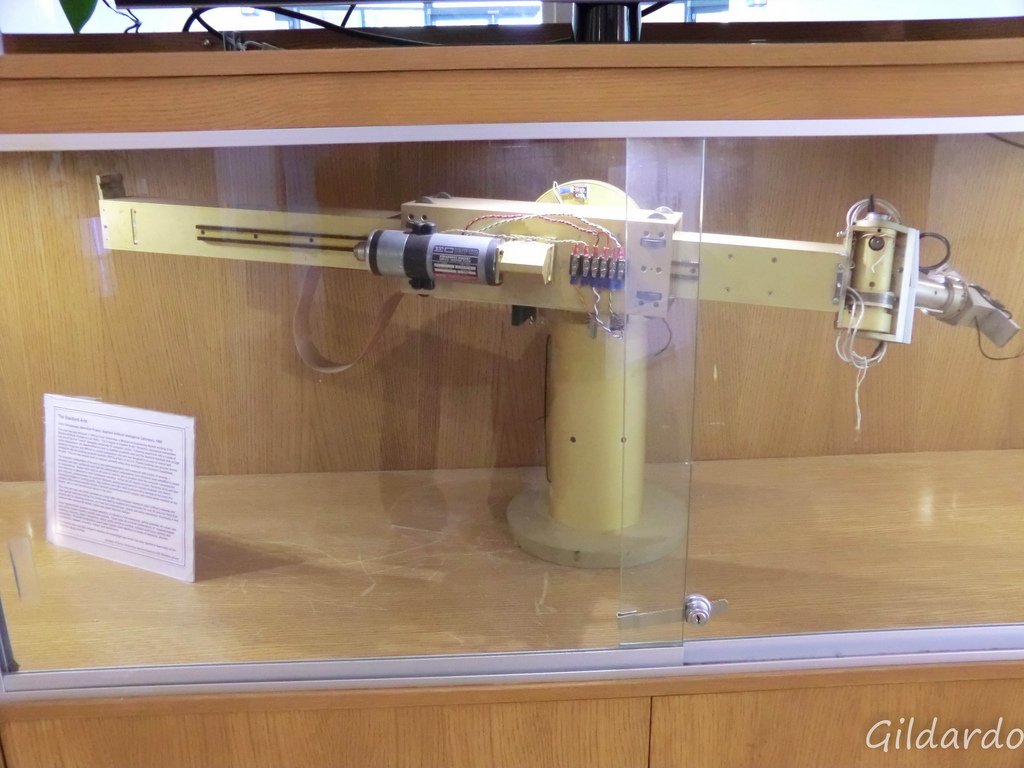
Three years later, Victor Scheinman, a Mechanical Engineering student working in the Stanford Artificial Intelligence Lab (SAIL) created the Stanford Arm. The arm’s design became a standard for the design of future robot arms. In fact, it is still being used today.
In 1974, he opened his own company that produced the Silver Arm. This arm was capable of assembling small parts together using touch sensors.
In 1985, the first robot, called Puma350, was used in the medical field for surgery. Its purpose was to orient a needle for a brain biopsy under computerized tomography guidance. It was discontinued later due to safety issues.
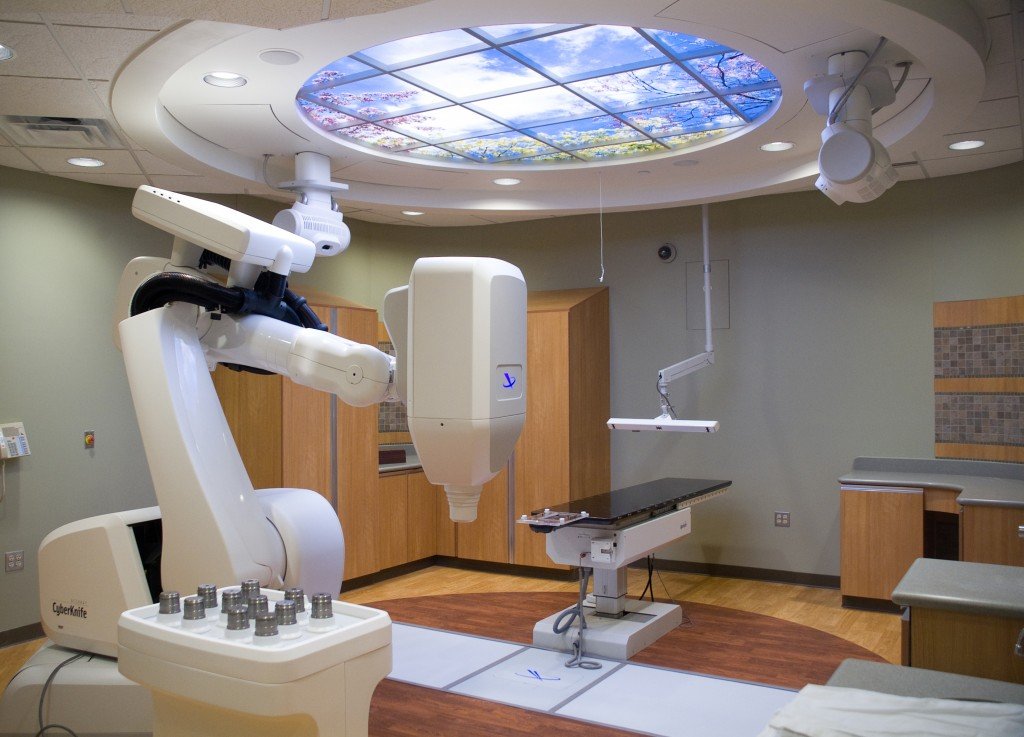
Later, in 1992, Dr. John Adler came up with the concept of CyberKnife, a robot that images a patient with X-rays to look for tumors in the body.
1997 was perhaps one of the most important years for robotics. It was the year of the Mars Pathfinder mission. The robotic Mars rover Sojourner was released onto Mars’ surface and its job was to transmit data back to Earth from the Martian soil.
In the year 1999, Sony released AIBO, a robotic dog with the ability to learn, entertain and communicate with its owner.
With further advancements in technology, robots started becoming more and more autonomous. In 2002, a batch of SDR-4C robots was introduced, which remembered people’s faces, danced to disco and even sung in harmony.
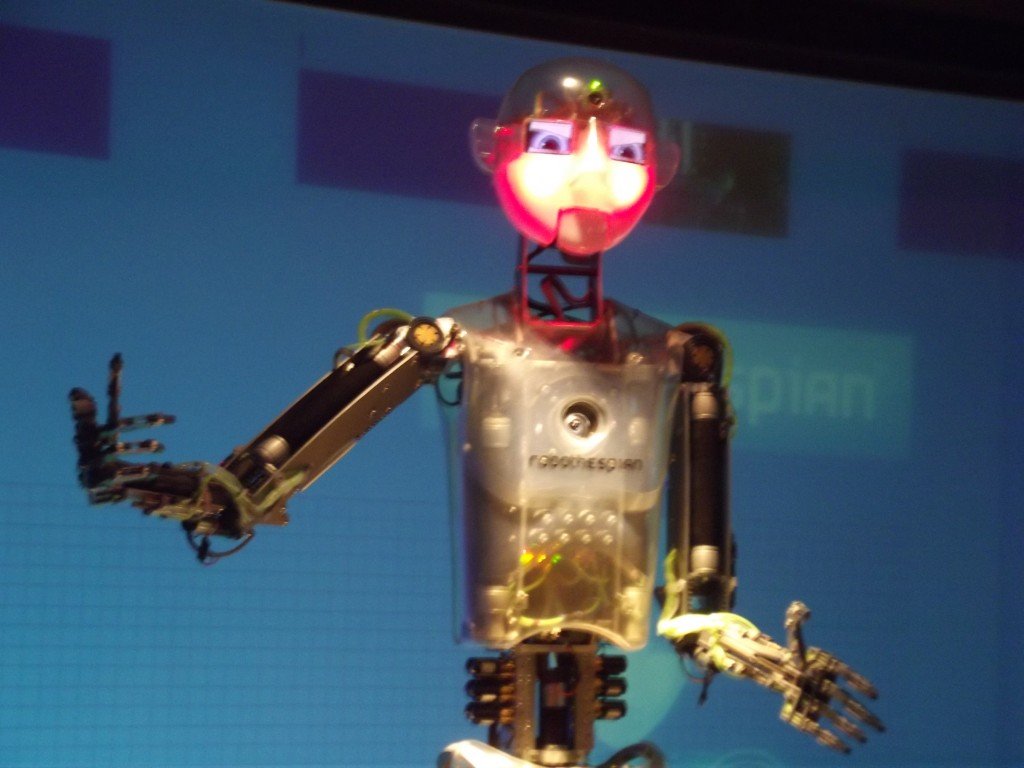
Soon, inventors started making robots more human-like. In recent years, features like artificial skin tissues, emotions, self-awareness and autonomous thinking have been incorporated in robots. Robothespian is one such machine that is capable of entertaining and communicating with people. It is fully interactive and multilingual.
In 2015, Nadine, the most human-like robot ever made, was created by the Nanyang Technological University. It currently operates as a university receptionist. Scientists are still working on new technology that will provide childcare and offer friendship to lonely elderly people.

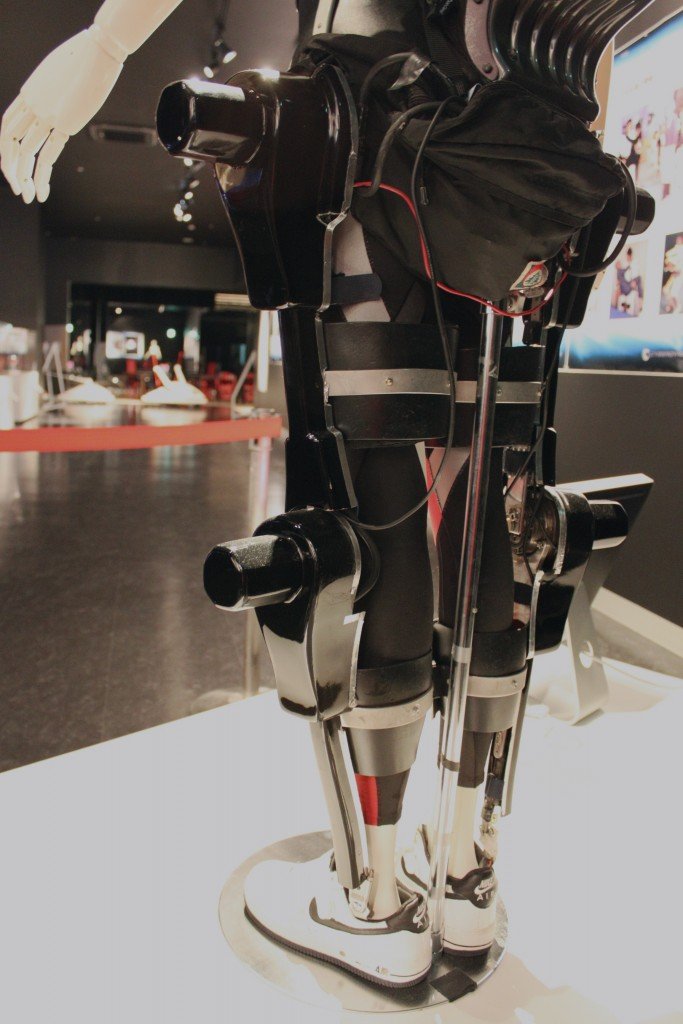
Perhaps the biggest achievement in robotics are the robotic suits named HAL (hybrid assistive limb). The HAL reads brain signals and helps people who have mobility problems, making it extremely useful for disabled people and the elderly.
Robots are actually doing more good than harm in terms of improving our quality of life. A few years down the line, just like mobile phones, robots might become an integral part of our lives. The question is…. is that what we really want?
References (click to expand)
- History of robots - Wikipedia. Wikipedia
- Evolutionary robotics - Wikipedia. Wikipedia
- Floreano, D., & Keller, L. (2010, January 26). Evolution of Adaptive Behaviour in Robots by Means of Darwinian Selection. PLoS Biology. Public Library of Science (PLoS).
- History of robots and Artificial Intelegence - www.nyu.edu