Grafting is a technique where two pieces of living plant tissue (of the same species of plant) are joined together in such a way that they form one unit and grow together as one plant. The technique helps cultivate clones of plants and develop hybrid plants.
Have you ever heard of a plant called the ‘Pomato’? It is a hybrid plant that bears both potatoes and tomatoes!
History, regardless of location or era, has time and again told the tale of taking two parts of a plant, joining them, and creating a version more suited to the farmer’s desires. Be it citrus fruits in China or the joining of almonds with plums in Rome, this is an ancient and fascinating practice.
This time-honored tradition is more commonly known as the agricultural technique of grafting.
Recommended Video for you:
What Is Grafting?
In very simple terms, grafting means taking two things, joining them together, and hoping they stick together and grow.
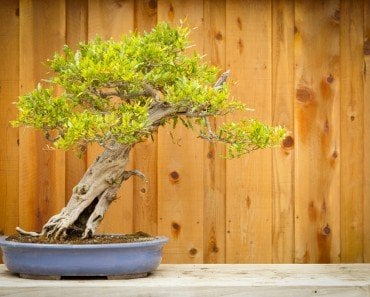
One can also do art with grafting, a process called arbosculpture. As the scion and stock function as one plant, they can sometimes influence each other’s growth. This aids in creating easily transportable and maintainable dwarf plants.
Can You Graft Plants At Home?
Yes and no. Grafting requires patience, knowledge of botany, environmental maintenance, and an abundance of care.
Therefore, before you go off chopping and joining different plants together, it’s essential to have enough knowledge. One must also be careful, as it’s possible to introduce pathogens from one species to another.
So, next time you see two trees joined together or go to a garden with arbosculpture features, remember that these wonders are a product of the ‘Art of Grafting’!