Table of Contents (click to expand)
Techniques such a teeth analysis, fur analysis, skin test, and visual cues assessment are practiced by scientists in order to estimate the age of animals.
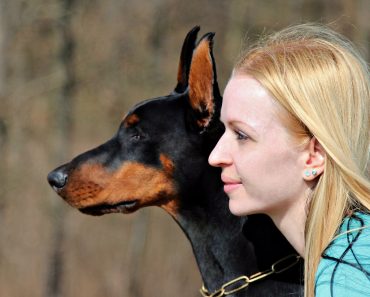
Have you ever wondered, how old is your Persian cat that sits on the couch like royalty? Or do you know when exactly Bruno was born? I’m sure you must be thinking to yourself that how does it matter? Because for you, Bruno is happy irrespective of when his birthday is celebrated.
However, when it comes to scientists, the age of an animal is of importance. Especially for scientists studying any aspect of the ecosystem and its interaction, knowing the age of the animal in study becomes very crucial. Easier said than done.
Although wanting to know the animal’s age might sound like a simple idea, it isn’t so. Age is just not a number when it comes to animals because different animals age differently. This is one of the major obstacles posed in front of scientists and thus there is no uniform age-grading method that is generalized to all animals. However, there are some general cues that help in estimating the age of an animal to quite an extent.
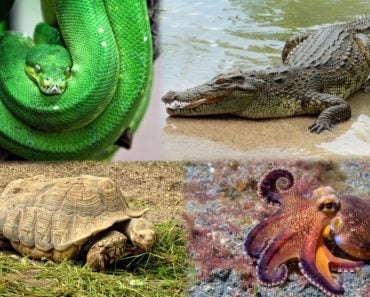
What do think about the octopus? How is its age determined? Well, the age of those big sea creatures are very difficult to determine as they have no bones. Initially, scientists thought that they could make judgments depending upon the size of the octopus. But size as a factor is subject to change and hence this method of assessment proved unreliable. While the age of various species of squids and cuttlefish, close relatives of octopuses, are determined by the daily growth increments within their statoliths (analogues to fish otoliths), the same cannot be done with octopuses. This is because octopus statoliths are fragile structures with no visible growth increments.
Octopus beaks were taken into consideration for calculating their age. However, the beaks being used for feeding makes them prone to wearing out and eroding. This could lead to miscalculation of age. The most appropriate method for octopus aging to date is the Stylet increment analysis (SIA). In this method, the ‘stylet’ (the hard part of the mantel) of the octopus helps in determining its age.
Novel Prospects For Animal Age-determination:
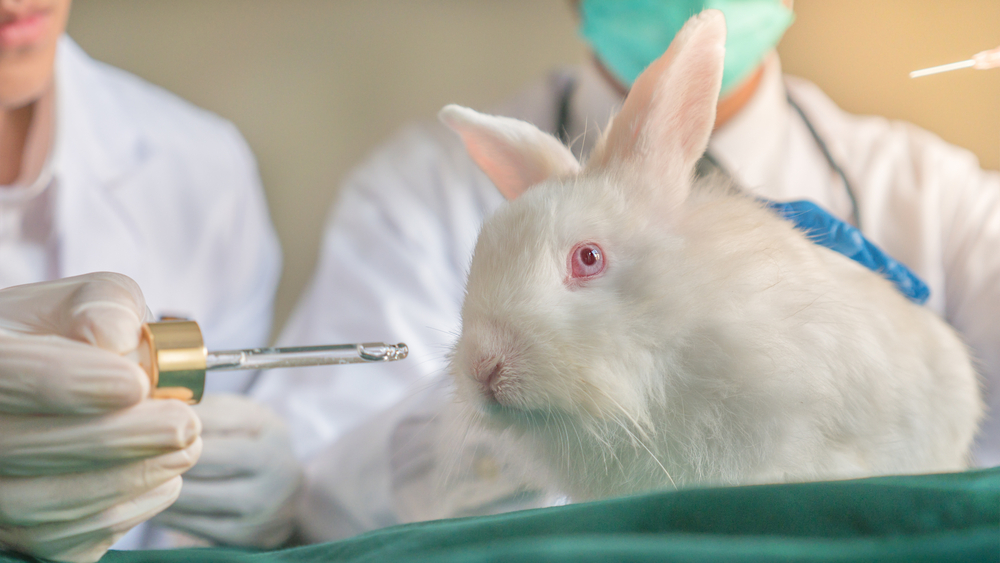
In current times, where scientists are constantly analyzing the planet’s biodiversity, marking endangered species, and studying animal population growth, knowing the exact age of animals is of utmost importance. For the same reason, scientists have come up with what is called ‘skin test.’ The test detects pentosidine (a chemical in the body), which is a biomarker for so-called ‘advanced glycation end’ products (AGEs).
These are substances that form in the body as a result of aging and their amounts can indicate an animal’s age. AGEs tests are already being done for various animals. This test involves taking a small sample of the animal’s skin. In this method, scientists can capture animals, take a tiny sample of their skin, and then set them free. This method does not harm animals.
With the advancement in science, more such methods are to be discovered in the near future. Till then if you wish to know Bruno’s age, you could just run your fingers through his fur or look into his eyes!
References (click to expand)
- How Old Is That Lion? A Guide to Aging Animals. National Geographic
- New skin test determines age of wild animals to help control .... The American Chemical Society
- What a Gray Muzzle May Say About Your Dog. The American Council on Science and Health
- Doubleday, Z. A., White, J., Pecl, G. T., & Semmens, J. M. (2011, August 16). Age determination in merobenthic octopuses using stylet increment analysis: assessing future challenges using Macroctopus maorum as a model. ICES Journal of Marine Science. Oxford University Press (OUP).