Table of Contents (click to expand)
Almonds are high in fiber and contain a chemical known as phytic acid, neither of which the body can digest or absorb. While the body cannot digest these chemicals, fibers are important for gut health, and research has shown that phytic acid has antioxidant properties.
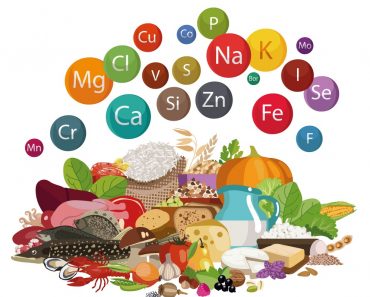
It is a well-accepted fact that almonds are good for you. They contain many essential micronutrients, such as iron, vitamins B2 and E, zinc and calcium, amongst many others, and also have antioxidant properties.
Free radical oxidation in the body causes the death of cells, and consequently, aging. Antioxidants are molecules that stop and remove the free radicals from causing damage to the cells of the body. By chelating these minerals, phytic acid forms phytates with them. This stops the damage these molecules would have otherwise caused.
The antioxidant effect of phytic acid means that it can prevent reactive oxygen species from damaging the body’s DNA. Preventing DNA damage in turn prevents the uncontrolled growth of cells (cancer). While drugs containing phytic acid and its various forms are still under study for potential anti-cancer properties, research has provided evidence that the micronutrient could prevent cancerous growth.
Additionally, this molecule might also help in reducing high cholesterol levels. Studies show that phytic acid may be the casuse behind the anti-diabetic and cholesterol-lowering qualities of almonds.
Despite not being digested, and preventing the uptake of certain micronutrients, phytic acid still has plenty of benefits.
What Do Fibers Do In The Body?
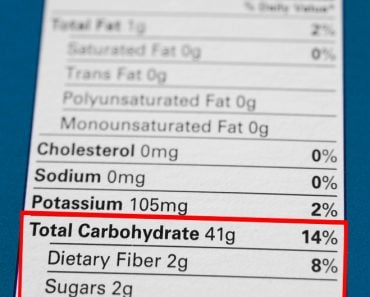
Though we can’t digest fibers, they’re a crucial part of our diet. The Recommended Dietary Allowance (RDA) of fibers is around 25 grams per day. RDA is the average level of nutrients needed to meet the nutrient requirement of a healthy individual. This level is decided for every nutrient and mineral by the National Academy of Medicine.
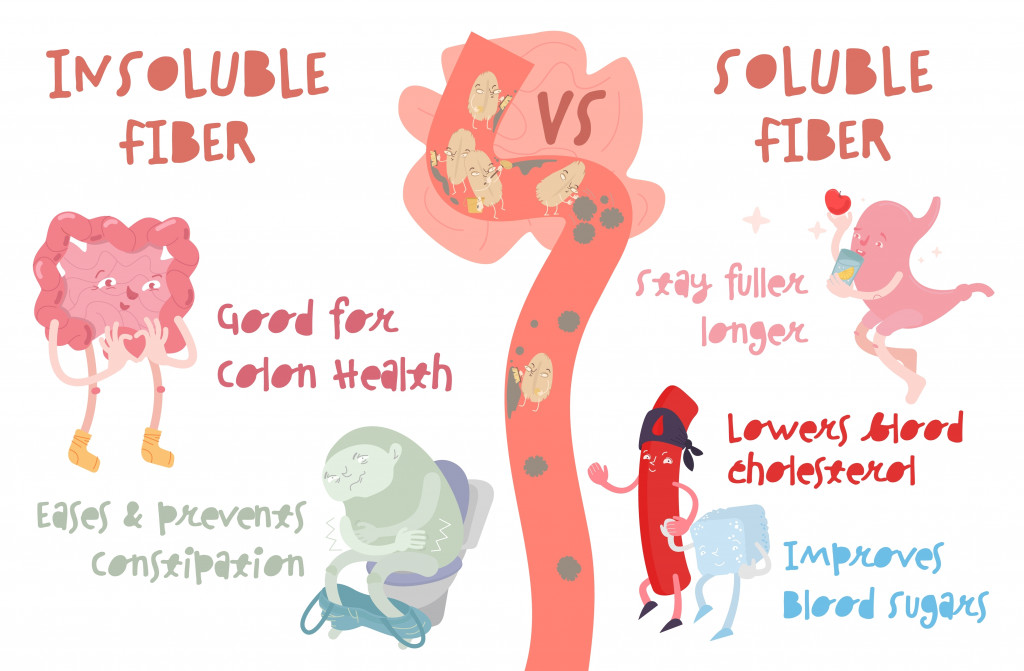
Fibers help us regulate bowel movements. It has immense water absorptivity and shows cation exchange properties. The end of the large intestine is specialized to absorb large quantities of chloride and sodium ions. Fiber helps in promoting this ion exchange.
Hence, dietary fiber is important for the metabolic functions of the lower digestive tract.
Conclusion
Almonds are dried fruits that contain significant amounts of micronutrients required by the body. They also contain two key ingredients that are indigestible by the body, but are still beneficial to a great degree.
The first indigestible chemical in almonds is fiber, which is commonly found in a number of fruits, vegetables and plant seeds. Fiber is extremely important for gut health. It helps in the proper digestion and excretion of food, and also contributes towards water absorptivity in the large intestine.
The second indigestible chemical is phytic acid, the main storage form of phosphorous in plants. Phytic acid is also found in cereals and oilseeds. It may be indigestible in humans, but it does demonstrate antioxidant properties inside the body.
Thus, even the indigestible parts of this nutritious dried fruit are important for individuals. Almonds not only provide necessary fats and vitamins, but also help in other critical functions of the body!
References (click to expand)
- Batool, Z., Sadir, S., Liaquat, L., Tabassum, S., Madiha, S., Rafiq, S., … Haider, S. (2016, January). Repeated administration of almonds increases brain acetylcholine levels and enhances memory function in healthy rats while attenuates memory deficits in animal model of amnesia. Brain Research Bulletin. Elsevier BV.
- Kamil, A., & Chen, C.-Y. O. (2012, February 17). Health Benefits of Almonds beyond Cholesterol Reduction. Journal of Agricultural and Food Chemistry. American Chemical Society (ACS).
- Definition of chelating agent - NCI Dictionary of Cancer Terms. cancer.gov
- Romano, N., & Kumar, V. (2018). Phytase in animal feed. Enzymes in Human and Animal Nutrition. Elsevier.
- Jenkins, D. J. A., Kendall, C. W. C., Josse, A. R., Salvatore, S., Brighenti, F., Augustin, L. S. A., … Rao, A. V. (2006, December). Almonds Decrease Postprandial Glycemia, Insulinemia, and Oxidative Damage in Healthy Individuals. The Journal of Nutrition. Elsevier BV.
- Nissar, J., Ahad, T., Naik, H. R., & Hussain, S. Z. (2017). A review phytic acid: As antinutrient or nutraceutical. Journal of Pharmacognosy and Phytochemistry, 6(6), 1554-1560
- Barber, T. M., Kabisch, S., Pfeiffer, A. F. H., & Weickert, M. O. (2020, October 21). The Health Benefits of Dietary Fibre. Nutrients. MDPI AG.
- High-fiber foods - Mayo Clinic. The Mayo Clinic