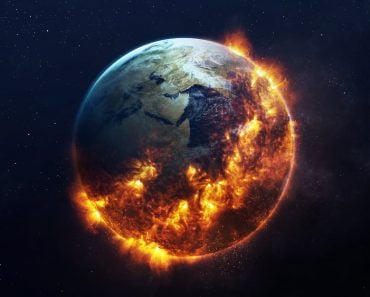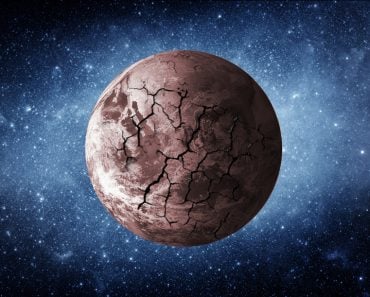
If all the land was oceans and all the oceans were land, the Earth would be a very different place. The temperature would increase, the climate would be erratic, the composition of the atmosphere would change, and life would be difficult to sustain.
The Earth’s surface is composed of roughly 71% water and 29% land, where the oceans hold almost 97% of all the water resources on the planet. The Earth would have been drastically different if this ratio had been reversed, with a solid landmass making up most of Earth’s surface.
Also, for this hypothetical discussion, let’s assume that everything would be opposite, which means that the high landmasses would be turned into deep trenches. The differences would be innumerable, with the Earth supporting a totally different form of life, if life was even possible! With this strange premise firmly in our minds, let’s see what living on such a planet would entail.
Recommended Video for you:
The Temperature Of The Earth Would Increase
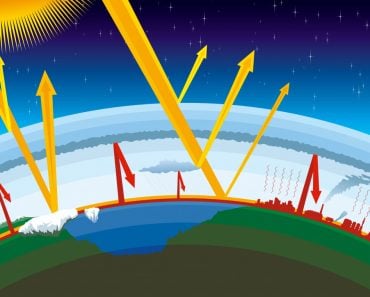
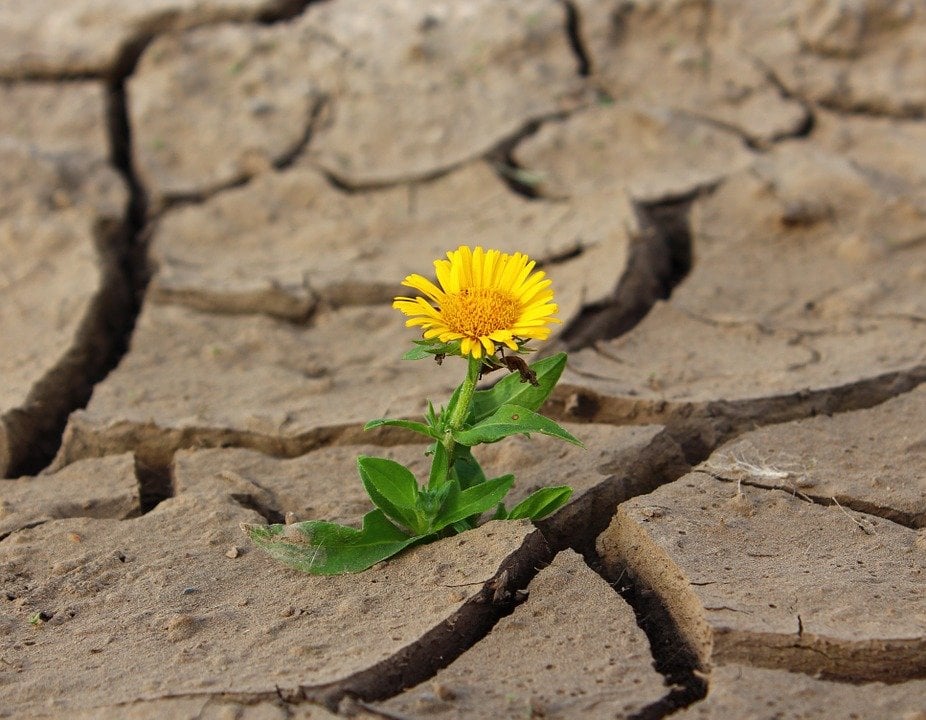
The oceans play a pivotal role in decreasing Earth’s temperature. Huge amounts of water evaporate from oceans, thereby preventing a drastic rise in Earth’s temperature during each day. If most of the surface was land, however, then the land would be extremely hot, turning most of it into deserts, while the ice caps would grow smaller, flooding all the nearby land. Oceans moderate temperature, since water has a high specific heat capacity, which means that it absorbs more heat without a significant rise in temperature, unlike the land. Without such huge water reservoirs, the temperature rise of Earth would be far from gradual.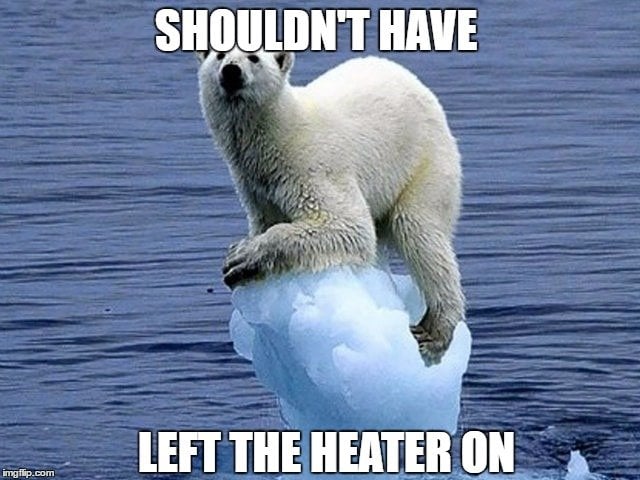 Another thing that could happen is a decrease in greenhouse gas absorption by the oceans. This means that oceans, which are natural carbon dioxide sinks, would be unable to absorb all the extra greenhouse gases, thus leading to a highly saturated atmosphere. Global warming would speed up and Earth’s temperature would rise, similar to Venus, where global warming is abundant.
On the upside, there would be ease of connectivity between places through land and air travel. However, marine transport would be hit the hardest, as there would be limited use for water transport. Countries that depend on seafood and aquaculture would go bankrupt. Since life near oceans would be so scarce, people living there would lose their major food source and likely starve. Even in the continental areas, agriculture depends on water being abundant. If proper water demands couldn’t be met, it is highly probable that the human race would go extinct.
Earth’s ideal distance from the Sun gives it a viable chance to support life, although there are many more factors that has led to Earth being populated by more than 8 million species. The Earth was not designed for us; we were designed for the Earth. If there was a drastic change to the geology of the Earth, such as this rather extreme example, life would suffer a similarly extreme severe blow. Fortunately, life would find a way to carry on… it always does!
References (click to expand)
- What role does the ocean play in the weather?. The National Ocean Service
- How Long Can Oceans Continue To Absorb Earth's Excess .... Yale Environment 360
- Oceans Found to Absorb Half of All Man-Made Carbon Dioxide - news.nationalgeographic.com
- NOAA, partners: Earth’s oceans and ecosystems still absorbing about half the greenhouse gases emitted by people - www.noaanews.noaa.gov:80
- Save the Plankton, Breathe Freely | National Geographic Society. National Geographic
- Ocean's Oxygen Starts Running Low - Scientific American. Scientific American
- Marine energy - Wikipedia. Wikipedia