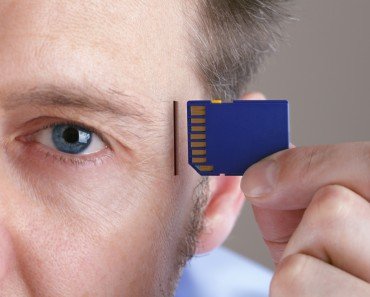
The Tetris Effect is a phenomenon that occurs when people play Tetris for extended periods of time. It is the tendency to identify every worldly object as being made of four squares and attempting to determine the best-fitting position for the objects. The Tetris Effect can have positive effects on the brain, such as improving brain efficiency, spatial skills, and memory capacity.
Remember that old game where you constantly rearranged blocks made of four tiles called tetrominos? For many of you, Tetris may still be a beloved pastime if you’ve downloaded it as an app on your phone! Like any quintessential gamer, if you devote ample time and attention to this fascinating game, it begins to form patterns in your thoughts, mental images, and even dreams. This phenomenon is called the Tetris Effect (alternately, Tetris Syndrome). In other words, it is the tendency to identify every worldly object as being made of four squares and attempting to determine the best-fitting position for the objects.
References (click to expand)
- Okagaki, L., & Frensch, P. A. (1994, January). Effects of video game playing on measures of spatial performance: Gender effects in late adolescence. Journal of Applied Developmental Psychology. Elsevier BV.
- Is Tetris Good For The Brain? - ScienceDaily. Science Daily
- Holmes, E. A., James, E. L., Coode-Bate, T., & Deeprose, C. (2009, January 7). Can Playing the Computer Game “Tetris” Reduce the Build-Up of Flashbacks for Trauma? A Proposal from Cognitive Science. (V. Bell, Ed.), PLoS ONE. Public Library of Science (PLoS).
- (2003) Brain Imaging Shows Playing Tetris Leads to Both Brain .... mrn.org