Table of Contents (click to expand)
If you stop brushing your teeth, you will develop plaque, which will lead to gum disease and tooth decay. You may also experience halitosis (bad breath), and your teeth may become loose and fall out. Additionally, not brushing your teeth can cause damage to other organs in your body, and may even lead to dementia, heart disease, stroke, or cancer.
You know those nights where you’re lying in bed and suddenly realize that you forgot to brush your teeth? Your first thought is often, “Do I really need to get up?” Well, skipping one night won’t be the end of the world, but what if you quit brushing your teeth for a very long period of time—or even forever?
Dentists often recommend brushing your teeth at least twice a day, but that’s not all. To prevent the build-up of plaque, they might also advise you to floss daily. With all that swishing and spitting going on, it’s easy to wonder why brushing is so imperative, which further leads to some interesting speculation about what would happen if we entirely quit brushing. Well, it’s actually much grimmer than you may think…
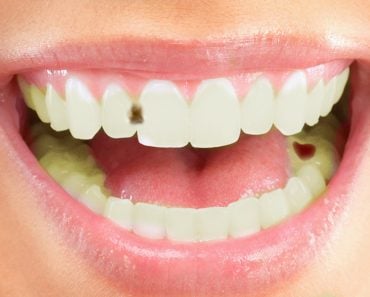
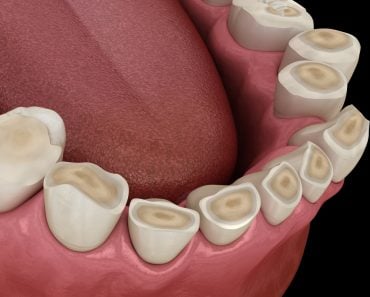
Pervasive tooth decay causes excruciating pain. It’s also likely that you will need to beseech a dentist to pull out some of those aching, putrid teeth before they fall out themselves to ease the pain. Eating anything sugary, hot or cold will send you into unbearable pain.
Grave Health Complications
However, that’s not the end of this appalling journey. If you avoid brushing your teeth for years, you’re likely to cause damage to other vital organs of the body. Wonder how? Well, your mouth is the doorway to the rest of your body. Inhabiting bacteria that developed plaque can dig deeper inside your gums and get into the blood. Once it gets into the blood, the bacteria can invade other systems in the body. Although clinical research is ongoing, gross negligence of dental health—like not cleaning your mouth for years—may contribute to a number of fatal conditions you’d never expect, including dementia, heart disease, stroke, and possibly even cancer.
Brushing your teeth twice a day and flossing them daily is just a small price to pay for healthy dental hygiene, sweet breath and a shining smile!